
Like so many of you, I’mbeen watching the Coronavirus coverage closely, listening to news briefs by Governor’s Newsom and Cuomo, reading articles like a fiend and dropping in on Twitter. One point is abundantly clear. Coronavirus is taking a tremendous toll on the black community.
So, exactly why are we disproportionately dying at a higher number? One answer is continued disparities in health care access and health outcomes, but as I discovered that’s a simplistic answer. Scratch the surface and you begin to see the scope of the problem.
In “McKinsey and Company’s COVID-19: Investing in black lives and livelihoods” report, they find that black Americans are 1.4-1.8 times more likely to live in counties with the highest health risk from the pandemic. Certainly if you live in a more dense metro area in the Bay Area, you’re at a higher risk then say rural Wyoming, but what I didn’t take into account is living arrangements.
According to the McKinsey report, black people are more likely to contract the virus if they live in multifamily and a multigenerational homes. We, by culture and circumstance, are caregivers. Therefore, it’s not uncommon to see three or four generations in the same abode.
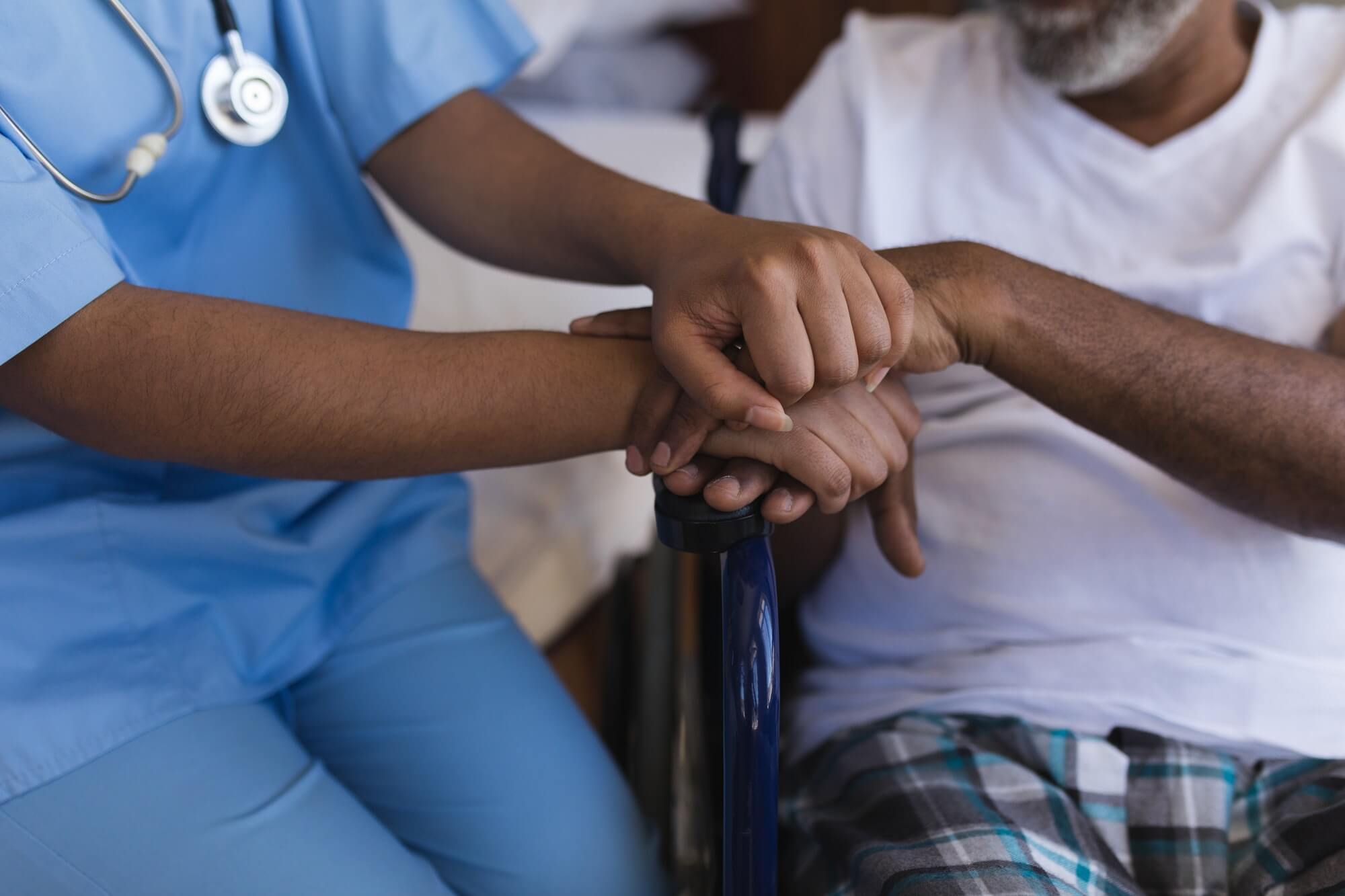
However, there is a cost to black women burning the candle at both ends. They are caring for family members at home and are overrepresented in health care occupations such as nursing assistants or home health aides. Furthermore, black Americans in general are overrepresented in jobs considered essential.: 15% of that entire workforce and 20% of the workforce in high-contact essential services.
Black Americans in Jobs Considered Essential
Compounding the problem is that most of these jobs are not conducive to shelter-in-place orders. Only 20% of black workers can work from home compared to 30% of white workers and 37% of Asian workers.
Added to the fact, we’re 30% more likely to to have chronic conditions such as diabete, asthma, hypertension and obesity and you have the perfect storm sweeping our communities.
So, as you scroll through Twitter or read the paper, I ask you to search carefully for the answers to these questions if you care about everyone coming out of this tragedy safe and healthy:
- Are our local, state and federal government entities effectively tracking the pandemic along racial and ethnic lines?
- What concrete, measurable steps are we taking to protect our essential workers as we phase in the reopening of businesses?
- Is there a plan for adequate tracking, testing and access to health care providers in the underserved communities hardest hit by Covid-19?
- and finally are we effectively creating partnerships and collaborations to effectively communicate and support our communities of color?
If you would like to learn more about the McKinsey and Company findings and the protective measure we can take to slow the spread of Covid-19, go to Covid 19: Investing in black lives and livelihoods.